The Wild Tornado Understanding Storm Scatter Triggers
As we delve into the complexities of nature, few phenomena capture the imagination quite like tornadoes. The Wild Tornado storm scatter trigger rate Wild Tornado serves as a perfect case study for understanding the mechanics of storm scatter triggers, which are pivotal in the formation and behavior of these intense weather events.
Understanding Tornado Formation
Tornadoes are one of the most violent and unpredictable weather phenomena on Earth. Their formation is largely influenced by a combination of atmospheric conditions, including temperature, humidity, and wind patterns. When warm, moist air from the Gulf of Mexico interacts with cool, dry air from Canada, it creates instability in the atmosphere. This instability is often the first ingredient in the recipe for a tornado.
The Role of Supercells
Most tornadoes form from supercells, which are large, rotating thunderstorms characterized by a deep, persistently rotating updraft. These supercell thunderstorms are essential for the development of tornadoes because they create the necessary conditions for rotation. The wind shear, or the change in wind speed and direction with altitude, plays a crucial role in developing these rotating systems.
Storm Scatter Triggers
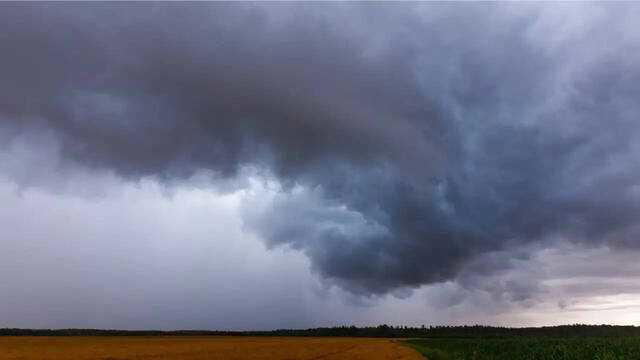
Storm scatter triggers refer to various factors that can disrupt the organized formation of a storm, leading to unpredictable outcomes. These triggers can include changes in wind direction, atmospheric pressure shifts, or sudden temperature changes. Understanding these triggers is essential for meteorologists as they attempt to predict when and where tornadoes might occur.
Types of Storm Scatter Triggers
- Wind Shear: A significant difference in wind speed and direction at different altitudes can cause rotation in storm systems, aiding in tornado formation.
- Temperature Gradients: Areas of significant temperature difference can create instability in the atmosphere, leading to scattered storms.
- Topography: Natural land formations can interfere with airflow, causing localized tornado activity.
- Moisture Levels: Differences in humidity can influence storm intensity and development.
Real-World Examples
Throughout history, several notable tornadoes have illustrated the complexities of storm scatter triggers. For instance, the 1974 Super Outbreak, which produced 148 tornadoes across 13 states in the U.S., demonstrated how various

atmospheric conditions combined to create widespread tornado activity. The rapid changes in wind patterns and temperature gradients during this outbreak were key contributors to its severity.
Impact of Climate Change
As global temperatures continue to rise, the dynamics of storm formation, including those that lead to tornadoes, are changing. Climate change is expected to alter patterns of moisture and temperature, potentially increasing the frequency and intensity of extreme weather events. This shift poses a challenge for meteorologists who must adapt their models to consider these new factors when forecasting tornado activity.
Preparing for Tornadoes
Understanding the triggers that lead to tornado formation is crucial for preparedness. Here are several important strategies that individuals and communities can adopt:
- Stay Informed: Keep an eye on weather forecasts and warnings, especially during severe weather seasons.
- Create an Emergency Plan: Have a plan in place for where to go and what to do in the event of a tornado warning.
- Build a Survival Kit: Equip your home with essential supplies such as food, water, flashlights, and first aid kits.
- Educate Yourself: Learn about tornado safety protocols and the difference between a watch and a warning.
Conclusion
The study of tornadoes and the factors that lead to their formation is a dynamic field that continues to evolve. As scientists deepen their understanding of storm scatter triggers, they enhance their ability to predict tornadoes, ultimately saving lives and reducing property damage. Engaging with resources and organizations like Wild Tornado can help improve our knowledge and preparedness for these powerful storms.